How to Protect Your Favorite Trading Cards
Trading cards are made to be handled, shuffled, traded, and played. They are also made from paper-based materials that can deteriorate when exposed to moisture, heat, light, dirt, and repeated friction. A valuable card does not need to be old to suffer damage. Frequent play can leave visible wear within a short period. Much like protecting delicate gaming gear and running routine hardware maintenance to keep physical tech in top shape, good card preservation comes down to consistent, careful habits rather than occasional quick fixes.
Good card protection starts with controlling the physical environment. It then extends to sleeves, storage boxes, binders, and handling habits. The goal is simple: reduce contact, movement, moisture, and exposure.
Start With the Right Card Sleeves
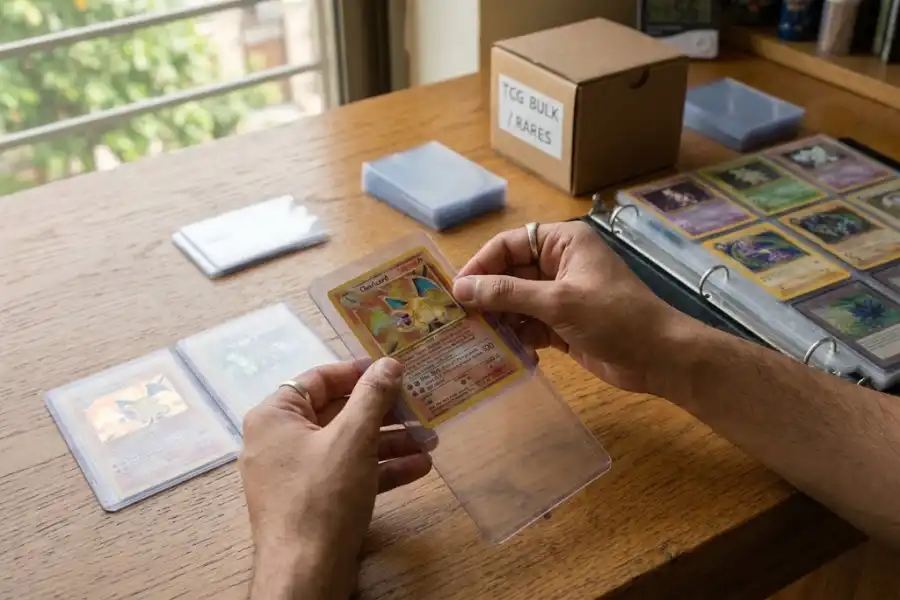
The first layer of protection should prevent direct contact between the card and your hands, playing surface, or other cards. A properly fitted sleeve reduces surface scratches and limits the transfer of skin oils and dirt. It also makes cards easier to handle without touching their printed surfaces.
For games such as Magic: The Gathering, choosing sleeves designed for the card dimensions is important. Poorly fitted sleeves can allow cards to shift inside the sleeve or expose their edges. Players looking for MTG card sleeves can use them as a dedicated protective layer for cards used during play or stored in a collection.
For valuable cards, consider protection in layers:
Inner sleeves for an additional barrier.
Standard sleeves for everyday play.
Rigid holders for individual high-value cards.
Storage boxes for larger collections.
Binder pages for cards that need frequent viewing.
The correct combination depends on how often the cards are handled and how much protection they require.
Control Humidity and Temperature
Environmental conditions can cause damage even when cards are stored and handled carefully. Paper absorbs and releases moisture as humidity changes. Repeated changes can contribute to warping and dimensional movement. Excess moisture can also create conditions favorable to mold.
The U.S. Environmental Protection Agency recommends keeping indoor relative humidity between 30% and 50% as an ideal range for reducing moisture-related problems.
This is particularly relevant in rooms where large collections are stored. A small digital hygrometer can monitor relative humidity continuously. If the reading remains high, air conditioning or a dehumidifier can help stabilize the environment.
Temperature matters too. The Smithsonian Institution notes that heat accelerates chemical reactions that contribute to material breakdown, while high relative humidity can encourage mold and pests. Its guidance for paper-based collections recommends approximately 35°F to 65°F with 30% to 50% relative humidity.
For everyday collectors, the practical lesson is to avoid hot, damp locations. Do not store cards in garages, attics, bathrooms, or areas exposed to direct sunlight.
Reduce Light and Surface Exposure
Light is another source of long-term damage. Prolonged exposure can cause fading and discoloration. Ultraviolet radiation is especially problematic because the damage accumulates over time.
The Smithsonian advises protecting paper materials from continuous exposure to light, heat, and moisture. It also notes that light damage can be irreversible.
This matters for collectors who display rare cards. A card placed near a bright window may look fine for months while its colors gradually degrade. Keep valuable cards away from direct sunlight. When display is not necessary, store them in a dark enclosure.
Dust also deserves attention. Fine particles can work into storage surfaces and create additional abrasion when cards move. Closed boxes and clean storage areas reduce this risk. Just as keeping your workspace dust-free is essential when you learn how to clean keyboard keys without damaging sensitive parts, preventing dirt buildup in your storage space keeps card surfaces pristine over time.
Handle Cards With a Consistent Method
Even sleeved cards can be damaged through careless handling. Avoid bending cards to fit them into overloaded binders or boxes. Do not force cards into tight sleeves. If a card catches on the opening, remove it carefully rather than pushing harder.
Keep hands clean and dry before handling cards. Oils, moisture, food particles, and dirt can transfer to sleeves and storage materials. For valuable cards, minimize unnecessary handling altogether.
Storage systems should also prevent excessive pressure. Cards should remain upright when the container is designed for vertical storage, with enough room to remove individual cards without forcing them against neighboring cards.
Inspect Your Collection Regularly
Protection works best when problems are detected early. Inspect valuable cards periodically for warping, edge wear, discoloration, sleeve damage, or signs of moisture.
Check the storage area at the same time. Look for condensation, musty odors, damaged boxes, or unusually high humidity readings. If moisture enters the storage area, move the collection to a clean, dry environment before the problem spreads.
Do not attempt aggressive cleaning on valuable cards. Abrasive materials, solvents, adhesive tape, and household cleaners can cause permanent damage. For expensive or historically significant cards, professional conservation advice is safer than experimenting with chemical treatments.
Build a Storage System That Fits Your Collection
There is no single storage method for every trading card. A player with several hundred common cards has different needs from a collector holding a small number of valuable pieces. Serious collectors often pair their physical binders with digital cataloging spreadsheets, relying on structured microsoft excel shortcuts to log set numbers, rarity grades, and market values quickly.
Separate cards according to value and frequency of use. Cards used regularly should have durable sleeves and easy-access storage. Rare cards that are rarely handled can receive additional protection and more controlled storage conditions. Whether you are managing a physical deck or switching between digital game saves with tools like pokemon game transfer software mac, keeping your assets organized prevents unexpected losses.
Most importantly, make protection part of the normal routine. Sleeve cards before playing them. Return them to storage after use. Keep the storage area cool, dry, clean, and away from sunlight.
Trading cards are collectibles, but they are also physical objects. Their condition depends on repeated small decisions. Taking the time to build a smart preservation system protects the real value of your deck, turning simple everyday care into a reliable shield for your collection. Proper sleeves, stable humidity, controlled light, careful handling, and suitable storage can significantly reduce preventable damage and help a collection remain playable and collectible for years.