Simple Tech Upgrades That Can Make At-Home Sports More Fun
Playing sports at home has become much more interesting than simply setting up a net in the backyard or clearing enough space in the garage for practice. Affordable sensors, better displays, training apps, and compact equipment can now bring useful feedback and a little friendly competition into everyday sessions.
You do not need to turn your house into a professional training facility. The best upgrades are often the ones that make you want to practice more frequently, give you a clearer sense of progress, or make it easier for friends and family to join in.
Give Your Outdoor Setup a Proper Identity
Technology can make a home sports area more interactive, but the physical surroundings still influence how enjoyable it feels.
A backyard putting area, basketball court, batting net, or multi-sport space becomes much more inviting when it looks intentional rather than temporary. Small touches can create that effect without rebuilding the entire yard.
A scoreboard, dedicated lighting, equipment storage, and even something from HD Flagpoles displaying a favorite team, club, state, or custom flag can give the space more personality and help create the atmosphere of a dedicated home sports area.
Once the basics are established, technology can add another layer through scoring, performance tracking, or entertainment.
Turn Practice Into Something You Can Measure
Repeating the same movement can become frustrating when there is no obvious way to tell whether you are improving.
That is where simple tracking technology becomes useful.
Depending on the sport, sensors and apps can record speed, distance, accuracy, repetitions, or other performance data. Instead of relying entirely on whether a session felt good, you have something concrete to compare over time. If you would rather keep your own numbers instead of trusting an app’s dashboard, a plain spreadsheet works just as well. Most people never learn about the hidden functions built into Google Sheets that make quick weekly comparisons far less tedious.
The important part is choosing a few measurements that matter.
Tracking twenty different statistics can quickly turn recreational practice into data management. One or two useful numbers may be enough to create a challenge: beat last week’s accuracy, improve consistency, or maintain a particular result across several attempts.
Progress becomes much more satisfying when you can see it, and seeing it sooner is what keeps most people coming back to a session.
Bring the Golf Course Into the House
Golf is particularly well suited to home technology because so much useful practice can happen in a relatively small area.
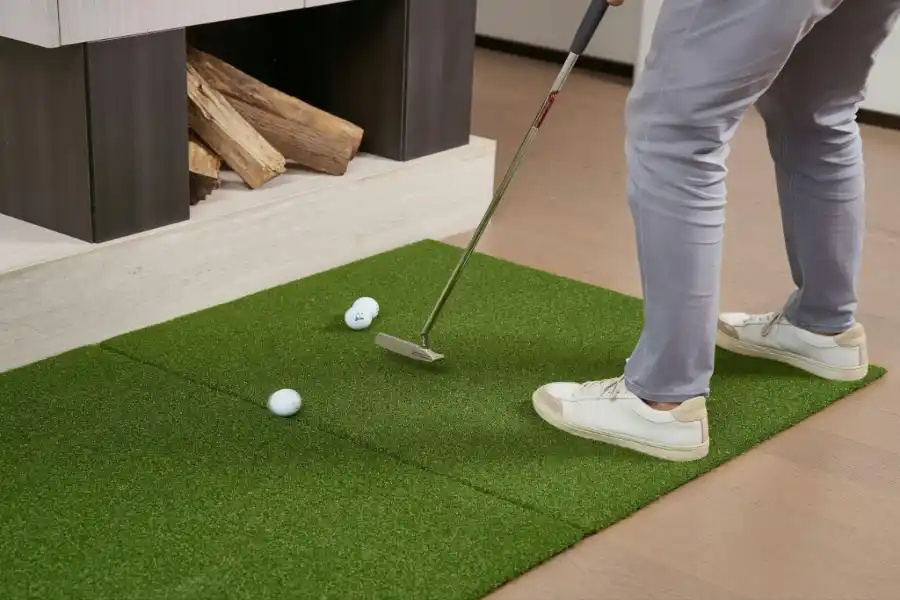
A basic hitting setup can evolve into a much more immersive experience with a launch monitor, hitting mat, net, projector, or simulator software. Rather than simply hitting balls into a net, players can receive immediate information about their shots and potentially play simulated rounds without leaving home.
Specialist retailers such as Indoor Golf Outlet make it possible to build a setup around the available room and desired level of technology, whether the goal is straightforward practice or a more complete indoor golf experience.
The advantage is not only convenience. Immediate feedback can make a short practice session much more engaging because every shot produces information you can use on the next attempt.
Add a Screen for More Than Entertainment
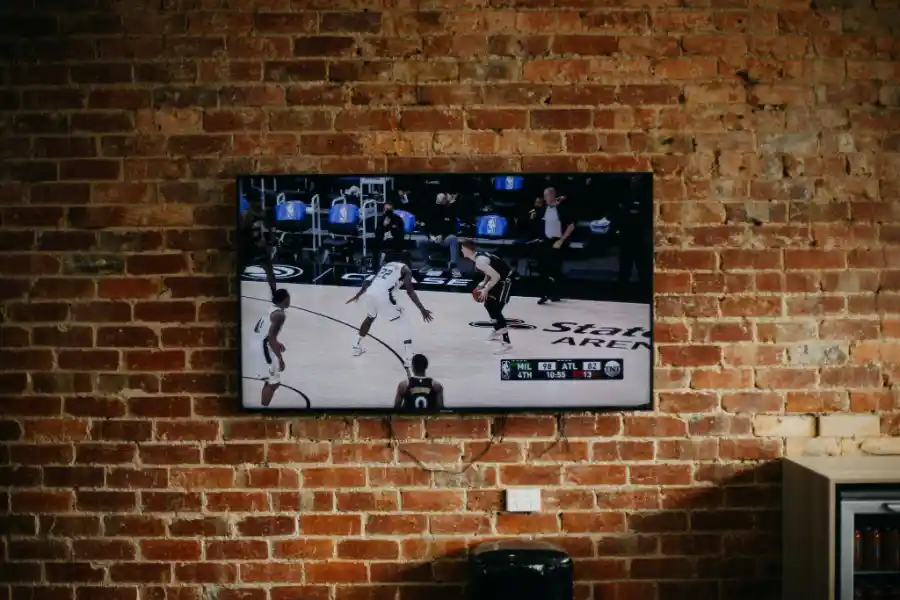
A television or monitor near a home sports area can serve several purposes.
Instructional videos become easier to follow when you can watch a movement and immediately try it yourself. Recorded footage can also be reviewed on a larger screen, making differences in posture, positioning, or technique easier to notice.
Screens can introduce competition too. Even the video call software many of us rely on for work hides more than people expect. The Zoom hidden features built around custom backgrounds and reaction shortcuts are a good reminder that a lot of everyday software has extra layers tucked away, and workout apps are usually no different.
Workout apps, virtual cycling platforms, interactive training programs, and sports games can turn an individual activity into something shared. Friends or family members can compare results, complete challenges, or follow the same session together.
Placement matters, however. The screen should be easy to see without interfering with movement or sitting somewhere vulnerable to an accidental ball or piece of equipment.
Record Yourself Instead of Guessing
You do not necessarily need specialized equipment to get useful visual feedback. A smartphone and an inexpensive tripod can already change the way you practice. Most people only use a fraction of what their phone can do for this kind of thing. A quick look at iPhone hidden features shows how many camera and video shortcuts sit in the settings menu, unused, and several of them make reviewing a swing or a serve noticeably easier.
Record a golf swing, basketball shot, tennis serve, lifting movement, or another repeatable technique from a consistent position. Watching it afterward can reveal things that are difficult to notice while moving.
The key is to keep recording simple.
If setting up the camera takes ten minutes every time, you will probably stop doing it. Give the tripod a convenient permanent location or mark the best camera position so that recording takes only a few seconds.
You also do not need to film an entire hour. A handful of repetitions can provide enough material to compare technique from one week to another.
Improve the Lighting Before Buying More Equipment
Garages, basements, and covered outdoor spaces are popular locations for home sports, but their original lighting may not have been designed for fast movement.
Better lighting can make an inexpensive setup feel considerably more usable.
Look for dark areas, distracting shadows, and glare around screens. If you record practice sessions, consistent lighting can also make video much easier to review.
Outdoor areas may benefit from lighting that extends usable practice time into the evening. That can be especially valuable during parts of the year when daylight disappears before you have finished work.
Good lighting is not the most exciting sports upgrade, but it can increase how often the space gets used.
Make Competition Easy to Start
One of the quickest ways to make at-home sports more entertaining is to create a reason for someone to say, “One more round.”
Technology makes that easy.
A digital scoreboard, timer, scoring app, or simple leaderboard can turn ordinary practice into a family competition. Setting a recurring reminder for weekly matchups helps the habit stick, and a few Google Calendar tips and tricks can make scheduling those sessions around everyone’s day almost effortless.
Keep the rules simple enough that different ability levels can participate. Handicaps, different starting positions, or individual targets can prevent the strongest player from winning automatically every time.
The best home sports setup is not necessarily the one with the most expensive equipment. It is the one people want to use.
A few thoughtful upgrades can make practice easier to measure, more immersive, and considerably more social, often without adding much time to the week. When the technology adds a reason to keep playing rather than getting in the way, even a garage, spare room, or backyard can become a place where another quick practice session regularly turns into an entire evening of sport.