
How Modern Dispatch Solutions Are Transforming Freight Operations
The landscape of freight transportation is rapidly evolving as companies respond to growing demand and increasingly complex logistics networks. Legacy dispatch methods, which often rely on manual oversight and limited digital tools, are unable to keep up with this pace. Today, AI-powered truck dispatch solutions are empowering freight and logistics companies to step into the future with smarter, more agile operations, relying on advanced digital workflows and software eggs to maintain a competitive advantage.
Leveraging advanced technology, these modern solutions streamline decision-making, drive efficiency, and help carriers remain resilient amid market fluctuations. As real-time data and automation become indispensable, trucking companies that invest in these innovations are well-positioned for long-term success in the highly competitive freight sector.
New AI-driven systems remove much of the guesswork from daily tasks by evaluating live conditions, predicting potential challenges, and reallocating resources as needed. This marks a clear departure from traditional dispatch operations, which often falter under the pressure of shifting supply chains and rising customer expectations.
With unprecedented speed and reliability now expected across the industry, investing in intelligent dispatch platforms is no longer optional. Industry leaders are harnessing these technologies to boost productivity while reducing overall costs and operational inefficiencies.
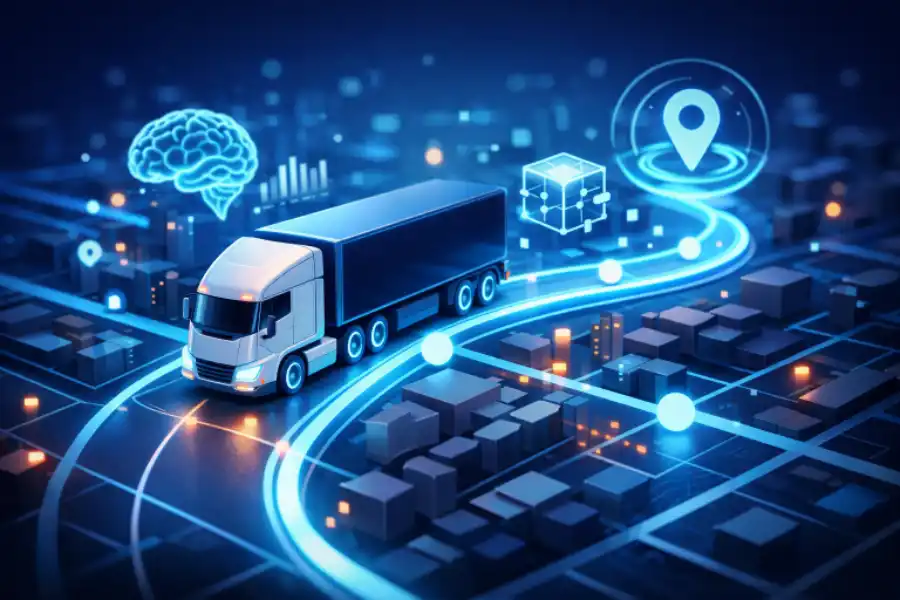
The Evolution of Dispatch Systems
Dispatching freight once depended on individual expertise, phone calls, and disconnected spreadsheets. Modern dispatchers often utilize everyday system optimizations, such as a quick windows clipboard trick to copy multiple shipping reference numbers simultaneously, to speed up data entry. As the industry grew more complex, companies began introducing digital communication tool and basic route mapping programs. However, these tools often worked in isolation, leaving vast operational gaps. The real transformation began when artificial intelligence and data integration became central to dispatch platforms, enabling automated route planning, dynamic load matching, and real-time issue mitigation. Beyond these core logistics platforms, operators are increasingly focusing on minor system-level automations and data handling techniques to ensure information flows seamlessly between dispatch windows without manual lags.
Today’s systems do far more than support dispatchers. They augment human decision-making, deliver actionable insights, and provide a holistic overview of carrier performance. This ongoing evolution sees technology and human expertise working in tandem to maximize both efficiency and profit.
Key Features of Modern Dispatch Solutions
- Real-Time Data Analysis: Continuously processes and interprets vast streams of information, including vehicle locations, traffic levels, and weather patterns, to keep operations running smoothly.
- Predictive Analytics: Uses historical trends to anticipate disruptions and optimize resource allocation before issues arise, enhancing resilience.
- Automated Load Matching: Efficiently connects available freight with capacity, minimizing wasted miles and maximizing asset utilization.
- Route Optimization: Calculates the best possible routes by factoring in fuel efficiency, congestion, and delivery windows, which reduces costs and improves service consistency.
- Integration with Existing Systems: Seamlessly links with Transportation Management Systems (TMS), Electronic Logging Devices (ELDs), and fleet management tools for a unified operational environment. Achieving this level of unity often requires dispatchers to discover hidden operational features within their standard workflow software, transforming basic digital databases into highly customized management hubs.
Benefits of AI-Driven Dispatch Systems
- Enhanced Efficiency: Automation eliminates repetitive manual tasks, freeing up dispatchers for high-value, strategic problem-solving.
- Cost Reduction: Smarter planning leads to fewer empty miles, lower fuel expenses, and better use of labor and time.
- Improved Customer Satisfaction: Faster response times, real-time tracking, and accurate ETAs help brokers and shippers build trust with their clients.
- Scalability: Systems powered by AI can manage and optimize vast numbers of shipments and trucks with no proportional increase in workforce size.
Real-World Implementations
Adoption of AI in dispatch is not just theory. Freight carriers and 3PLs across the world are seeing tangible improvements. For example, one American logistics firm achieved a 20 percent reduction in delivery times and boosted on-time performance by 30 percent after deploying a centralized, AI-powered dispatch platform. Real-time data streams enabled their teams to respond quickly to unforeseen circumstances, impressing shippers and strengthening business relationships. Case studies such as these continue to emerge as the industry embraces digital transformation.
Other market leaders have noted similar breakthroughs, reporting substantial ROI from route optimization, capacity planning, and driver management. This demonstrates that investing in smart dispatch is a direct investment in business growth and reputation.
Challenges and Considerations
- Initial Investment: While the long-term savings are compelling, initial setup costs for advanced systems, infrastructure, and training can be substantial.
- Integration Complexity: Combining new platforms with existing software and workflows may require custom solutions and close collaboration with IT and vendor partners.
- Training Requirements: Staff at all levels must become comfortable with digital tools, which can involve extensive onboarding efforts and change management.
- Data Security: With sensitive operational and business data now living in the cloud, strong cybersecurity measures are paramount to safeguarding company and customer information. On local workstations, dispatchers should also know how to quickly check for unauthorized background applications by using a task manager keyboard shortcut to close unsecured system processes immediately.
Future Trends in Dispatch Technology
- Autonomous Vehicles: The next era will see AI dispatch solutions seamlessly manage fleets of self-driving trucks, further improving safety and efficiency.
- Advanced Machine Learning: As machine learning models continue to improve, dispatch systems will become even better at predicting market trends and optimizing plans proactively.
- Blockchain Integration: Blockchain may soon facilitate fast, transparent, and secure transactions, reducing administrative burdens and errors.
- Internet of Things (IoT): Smart sensors on vehicles and cargo will deliver unprecedented insight into fleet health and shipment status, allowing dispatchers to preempt issues with greater precision.
Conclusion
AI-driven dispatch solutions are setting new standards in freight operations. By combining real-time intelligence, automation, and advanced analytics, these platforms unlock new levels of efficiency, service quality, and profitability. As global logistics continues to advance, carriers willing to embrace this digital transformation will solidify their place as industry leaders and trusted partners in transportation.