Smart Solutions for Efficient Business Operations
Business efficiency is not about making employees work faster. It is about removing unnecessary steps, reducing errors, and giving teams better control over daily processes. Modern companies can improve performance by combining software, automation, data, and well-designed physical environments.
Operational problems often appear in small places. A delivery route takes too long. Staff spend hours entering the same information. Dust builds up around machinery. Managers lack accurate data when making decisions. Each issue may seem minor, but the combined cost can be substantial. Much like finding smart shortcuts in digital workflows, real operational efficiency usually comes from fixing these small, easily overlooked friction points rather than overhauling an entire system at once.
Identify the Processes That Slow Work Down
The first step is to map important workflows from beginning to end. This shows where time, money, and information are being lost. It also prevents companies from buying technology simply because it is new.
Businesses should examine areas such as:
Manual data entry and repetitive administrative work
Delivery planning and route management
Inventory movement and order processing
Equipment maintenance and facility cleaning
Customer communication and status updates
Reporting, analytics, and performance tracking
Once these processes are measured, companies can focus technology investments on problems with a measurable financial or operational impact. For administrative teams handling large volumes of records daily, even mastering everyday microsoft excel shortcuts can eliminate hours of repetitive data manipulation and reduce input errors.
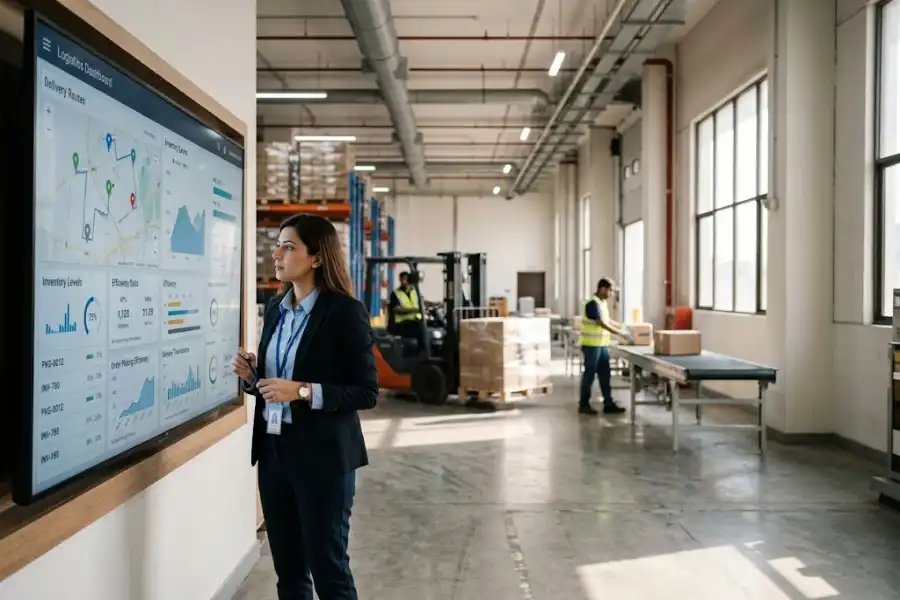
Technology can be particularly useful in logistics. Delivery companies have to manage addresses, driver availability, traffic conditions, delivery windows, and customer expectations at the same time. Modern last mile delivery software can help coordinate these activities through route planning, driver assignment, tracking, and delivery management. The objective is not simply to create shorter routes. It is to make the entire delivery workflow easier to control. While casual drivers rely on everyday google maps tips and hidden features for quick directions, commercial logistics requires dedicated platforms that can dynamically balance multiple stops and delivery windows simultaneously.
Use Data to Improve Operational Decisions
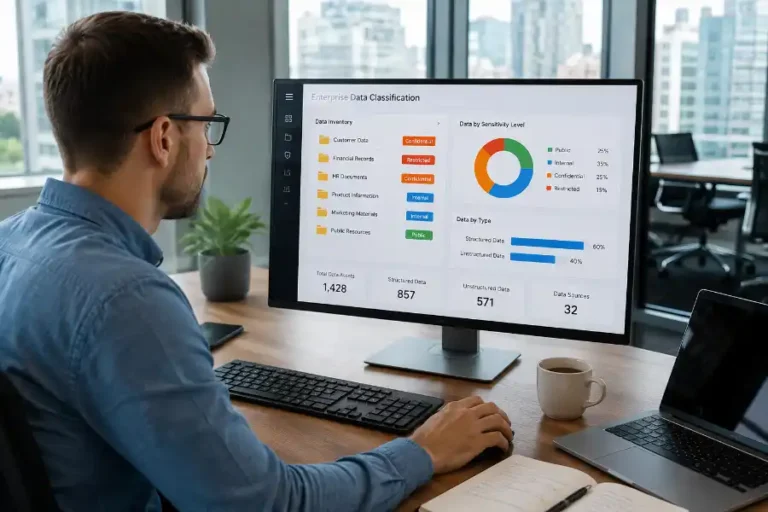
Good software should produce useful operational data. Managers need more than a dashboard filled with numbers. They need information that explains where performance is improving or declining.
Useful metrics depend on the business, but common examples include:
Cost per delivery or order
Average processing time
On-time delivery rate
Equipment downtime
Labor hours per completed task
Energy consumption
Error and return rates
These measurements create a baseline. A company can then test a process change and compare results against previous performance. This approach is more reliable than judging a new system based on user impressions alone.
The financial impact of better technology can also be significant. McKinsey reported in 2024 that enterprises with high-performing IT organizations had up to 35% higher revenue growth and 10% higher profit margins than lower-performing organizations. Technology alone does not create these results. Strong implementation and operational discipline are equally important.
Improve the Physical Workplace
Digital systems are only one part of operational efficiency. The physical environment can directly affect maintenance, productivity, and product quality, particularly in warehouses, workshops, factories, and other industrial facilities.
Airborne dust and fine particles can settle on equipment, floors, products, and work surfaces. This creates additional cleaning requirements and can contribute to equipment maintenance problems. A properly designed filtration strategy can help control these particles throughout a facility.
Modern air filtration systems can use multiple filtration stages, airflow management, and monitoring technology to address different particle loads. Zehnder, for example, describes systems designed to capture particles ranging from coarse dust to ultrafine contaminants, with configurations suited to different facility layouts and production requirements.
Connect Technology With Existing Workflows
A common mistake is treating every technology purchase as a standalone project. New software or equipment should fit into existing processes whenever possible.
For example, a delivery platform should connect with order information, driver workflows, and customer notifications. A facility monitoring system should provide data that maintenance and operations teams can actually use. Integration reduces duplicate work and prevents employees from switching between disconnected systems. In customer-facing departments, this often means connecting communication channels directly to centralized management systems and exploring built-in HubSpot hidden features to automate routine ticketing without manual handoffs.
Companies should also consider scalability. A solution that works for 20 drivers or one production area may not work when operations double. Cloud-based software, modular equipment, automated reporting, and configurable workflows can provide room for expansion.
Measure the Results After Implementation
Efficiency improvements need to be measured after deployment. Management should establish clear targets before making significant changes.
A useful review might compare:
Operating costs before and after implementation
Processing or delivery times
Employee hours spent on repetitive tasks
Equipment downtime
Maintenance frequency
Customer complaints
Energy and cleaning costs
The review should happen over a meaningful period. One good week does not prove that a system works. Consistent results over several months provide stronger evidence.
Real-world industrial examples show why measurement matters. Zehnder reports a case involving LK Pex in which its air-cleaning installation reduced peak particle pollution by up to 88% and cut cleaning frequency from monthly to three times per year. Such figures demonstrate how operational improvements can extend beyond employee comfort and affect maintenance and cleaning requirements.
Build a Continuous Improvement Strategy
Efficient operations are not created by a single software purchase. Companies need a repeatable process for finding problems, testing solutions, measuring results, and making adjustments.
Managers should review operational data regularly. Employees should also have a way to report bottlenecks that may not appear in automated reports. Small improvements can then be tested before larger investments are made. Proactive system maintenance and basic digital troubleshooting ensure that daily office workstations remain stable and productive, preventing minor glitches from slowing down team output.
The strongest approach combines digital and physical improvements. Route optimization can reduce wasted travel. Automation can reduce repetitive administrative work. Monitoring can expose hidden inefficiencies. Better facility conditions can reduce cleaning and maintenance demands.
The goal is straightforward: make every process easier to measure, manage, and improve. When smart software tools and clean physical operations work in sync, businesses build reliable processes that save time and support long-term growth. When technology is selected around genuine operational needs, it becomes more than a convenience. It becomes part of the infrastructure that helps a business operate efficiently as it grows.